Augustine Alagai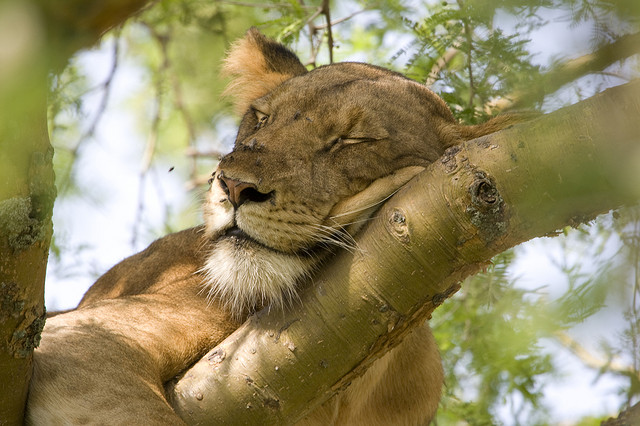
Uganda’s Most Iconic Safari Destination
Located in western Uganda, Queen Elizabeth National Park (QENP) is the country’s most popular and diverse safari destination. Spanning over 1,900 square kilometers, it is renowned for its spectacular landscapes, rich biodiversity, and unique wildlife experiences. From vast savannas to crater lakes and lush wetlands, QENP offers unforgettable adventures for nature lovers and photographers alike.
🌍 Why Visit Queen Elizabeth National Park?
Queen Elizabeth National Park boasts an astonishing variety of habitats that support over 95 mammal species and more than 600 bird species — making it one of Africa’s most biodiverse protected areas. It offers classic game drives, boat safaris, chimpanzee tracking, and scenic explorations of volcanic craters and lakes.
🦁 Highlights of Queen Elizabeth National Park
1. Game Drives in Kasenyi Plains
The Kasenyi Plains are the best spot for seeing lions, including the famous tree-climbing lions, as well as large herds of Uganda kob, elephants, buffaloes, and warthogs. Early morning and evening game drives offer the best wildlife viewing.
2. Tree-Climbing Lions of Ishasha
Ishasha sector in the southern part of the park is famous for its unique population of tree-climbing lions. Watching these big cats lounging in fig trees is a rare and unforgettable sight.
3. Boat Safari on the Kazinga Channel
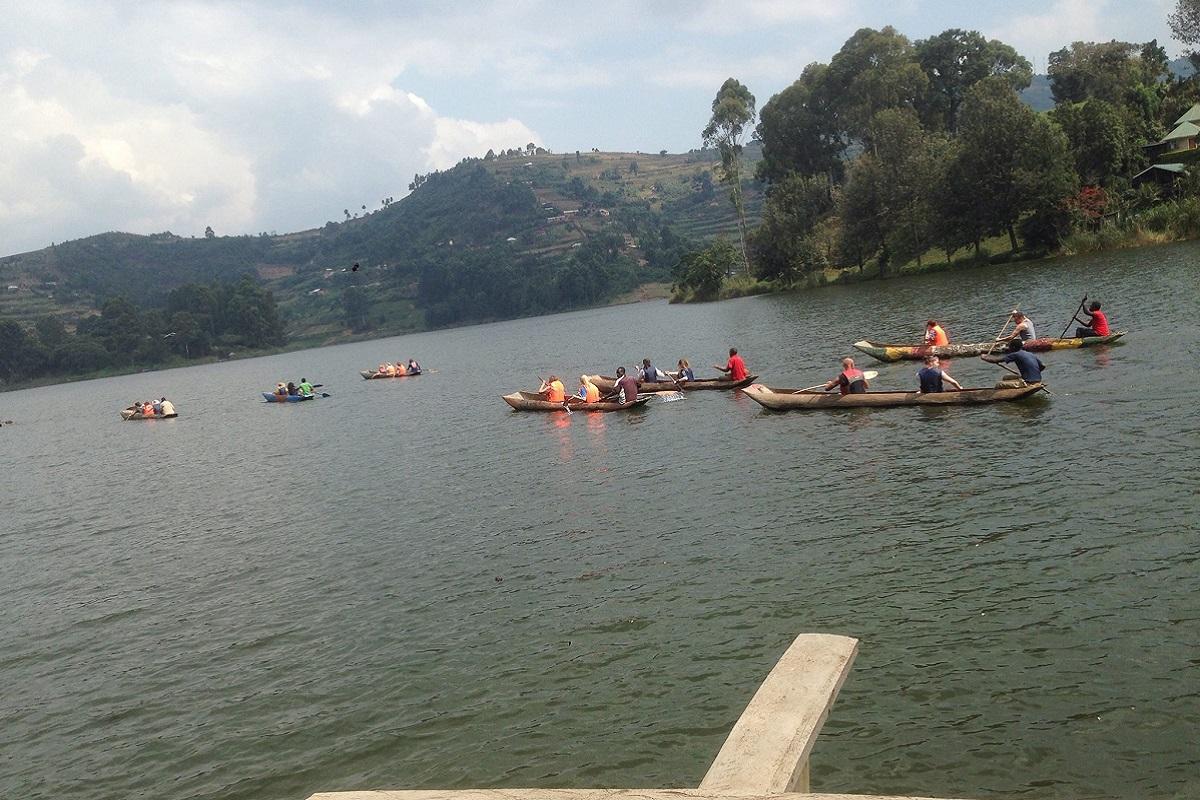
A boat cruise along the Kazinga Channel — a natural waterway linking Lake Edward and Lake George — provides close-up views of hippos, crocodiles, elephants, buffaloes, and a vibrant array of water birds.
4. Kyambura Gorge Chimpanzee Tracking
Explore the lush gorge known as the “Valley of Apes” and track wild chimpanzees in their natural habitat. The gorge is also home to other primates and rich birdlife.
5. Explosion Crater Lakes
Drive through the scenic crater lake region for panoramic views, unique geological formations, and photographic opportunities. Lake Nyamunuka and Lake Katwe (a traditional salt mining site) are among the highlights.
6. Birdwatching
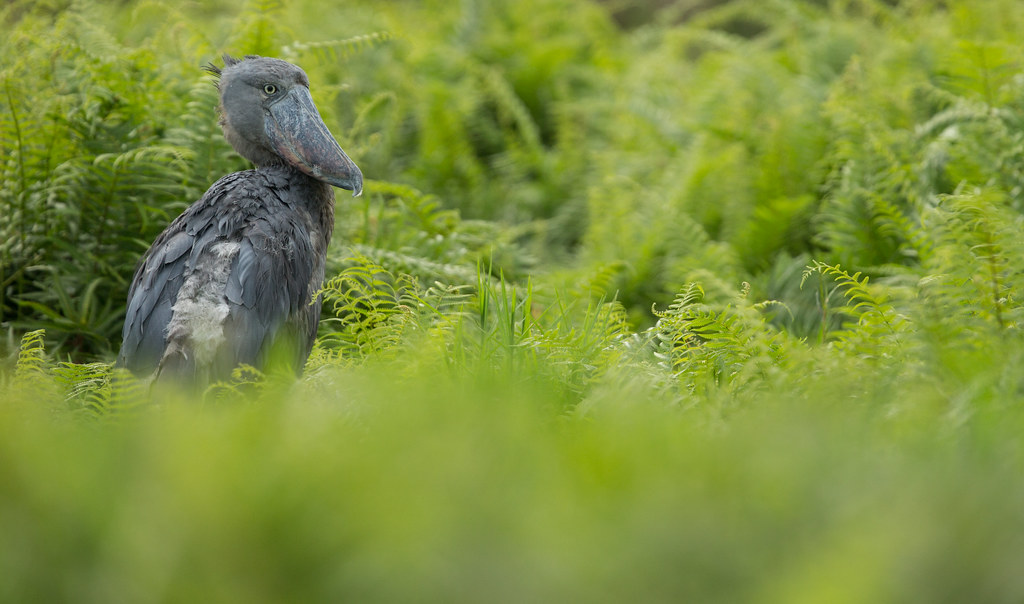
With over 600 species, Queen Elizabeth is a birdwatcher’s paradise. Key species include the African fish eagle, saddle-billed stork, kingfishers, and the rare shoebill stork found in the wetlands.
📅 Best Time to Visit Queen Elizabeth National Park
The best time for safaris is during the dry seasons: June to August and December to February, when wildlife congregates around water sources, and roads are more accessible. The wet seasons (March–May and September–November) offer lush scenery and are excellent for birding.
✈️ Travel Tips for Queen Elizabeth Safaris
- Access: The park is about 6-7 hours’ drive from Kampala or a short flight to nearby airstrips (Kasese or Mweya).
- Packing: Bring binoculars, a good camera, light clothing for the day, warm layers for morning drives, and sun protection.
- Health: Malaria prophylaxis is recommended; no special vaccinations are required unless arriving from a yellow fever-endemic country.
- Accommodation: The park offers a range of options from luxury lodges to budget camps.
🌟 Plan Your Queen Elizabeth Safari with Safari X
At Safari X, we design tailor-made trips to Queen Elizabeth National Park that combine game drives, boat cruises, primate tracking, and cultural encounters. Our experienced guides and comfortable accommodations ensure a seamless and memorable safari.
Contact us today to start planning your Queen Elizabeth adventure!